×
- 20+ Years in Business
- 350+ IT Experts
- 750+ Enterprise Clients
- CMMi Level 3 Certified
- ISO 9001:2015
- Top 1% on TrustPilot
-
 4.8 on Clutch
Our valued Brands & Agencies
















Engineering the AI behind intelligent, future-ready enterprises

AI Development
Design and build custom AI solutions that automate complex workflows, enhance decision-making, and deliver intelligent experiences tailored to your business objectives.

AI Consulting
Define a clear AI adoption roadmap with strategic consulting, use-case discovery, feasibility assessment, technology selection, and implementation planning to maximize business impact.

Generative AI
Build enterprise-grade generative AI applications using LLMs, multimodal models, and RAG architectures that transform content creation, knowledge management, and customer interactions.

Machine Learning
Build and deploy machine learning solutions that uncover patterns, generate predictive insights, optimize operations, and enable data-driven decision-making at scale.

AI Agent Development
Engineer autonomous AI agents capable of reasoning, planning, tool integration, and workflow execution to automate business processes and enhance enterprise productivity.

AI Governance Consulting
Establish a trusted AI governance framework with strong policies, risk management, compliance, and ethical practices for secure, transparent AI adoption across the enterprise.

AI Integration
Seamlessly integrate AI into your existing applications, workflows, and enterprise systems to enhance automation, streamline operations, and maximize the value of your technology investments.

LLM Development
Develop, fine-tune, and integrate large language models tailored to your domain, enabling secure, scalable, and context-aware conversational AI and enterprise applications.
Engineering future-ready digital solutions for complex enterprise challenges
From strategy and consulting to development, modernization, cloud, staff augmentation, and more, we deliver end-to-end technology services that help enterprises innovate faster, overcome complex challenges, and achieve sustainable digital transformation.







Industry-specific solutions for enterprise transformation
From strategy to deployment, we manage the entire solution lifecycle, delivering digital products aligned with your operational requirements, compliance standards, and business objectives to solve complex enterprise challenges.

Banking & Finance
Digital Banking Platforms, Fraud Detection Systems, Intelligent Lending Solutions, Regulatory Compliance Automation, Financial Analytics Platforms, AI Agent for Fraud Detection

Education
Adaptive Learning Platforms, AI Tutoring Systems, Virtual Classroom Solutions, Student Information Systems, Learning Analytics Platforms, AI in Education

Healthcare
Clinical Workflow Automation, AI-Powered Diagnostics, Patient Engagement Platforms, Telehealth Solutions, Healthcare Analytics Systems, AI Agent for Healthcare, Generative AI in Healthcare

Retail
Personalized Shopping Experiences, Inventory Optimization Solutions, Customer Analytics Systems, Point of Sale Integration, Demand Forecasting Solutions, AI Agent for Customer Service

Logistics
Fleet Management Solutions, Route Optimization Platforms, Logistics Automation Systems, Shipment Tracking Solutions, Last-Mile Delivery Applications, AI in Supply Chain and Logistics

Travel & Tourism
Travel Booking Platforms, AI Trip Planning Solutions, Hospitality Management Systems, Customer Experience Applications, Location Intelligence Services

Automotive
Connected Vehicle Platforms, Predictive Maintenance Solutions, Fleet Management Systems, Mobility Applications, Automotive AI Solutions, AI in Automotive Industry

Real Estate
Property Management Platforms, AI Property Valuation, Virtual Property Tours, Lease Management Systems, Real Estate Marketplaces, AI in Real Estate

Entertainment
OTT Streaming Platforms, Content Recommendation Engines, Audience Engagement Solutions, Media Distribution Systems, Content Monetization Platforms

Manufacturing
Smart Factory Solutions, Predictive Maintenance Systems, Quality Inspection Automation, Supply Chain Intelligence, Digital Twin Platforms, AI in Manufacturing

Insurance
Policy Administration Automation, Claims Management Platforms, Underwriting Intelligence Systems, Policyholder Engagement Solutions, Risk Assessment Tools, AI in Insurance

Build your dedicated development team with top technology experts
Hire dedicated developers with expertise across modern technologies to strengthen your engineering capabilities, scale teams on demand, accelerate product development, and deliver high-quality digital solutions aligned with your business objectives.
Bring specialized technology expertise to your most complex challenges.

Hire AI Developers
Access experienced AI developers who seamlessly integrate with your team to design, develop, deploy, and optimize intelligent solutions. Our experts bring hands-on expertise in machine learning, AI agents, LLMs, automation, and enterprise AI to accelerate projects and strengthen your in-house capabilities.

Hire Generative AI Developers
Augment your team with Generative AI experts skilled in LLMs, RAG, AI agents, prompt engineering, fine-tuning, multimodal AI, and enterprise application development. Get specialized talent to accelerate experimentation, build production-ready solutions, and integrate generative AI into existing business workflows.

Hire Mobile App Developers
Strengthen your engineering team with dedicated mobile developers experienced in native and cross-platform development for iOS and Android. From UI/UX and API integration to testing, security, and deployment, our developers support the complete mobile application development lifecycle.

Hire iOS Developers
Expand your development capabilities with dedicated iOS developers proficient in Swift, Objective-C, SwiftUI, UIKit, and Apple's ecosystem. They bring expertise in application architecture, API integration, performance optimization, security, testing, and App Store deployment to build reliable, high-quality iOS applications.

Hire Android Developers
Scale your projects with experienced Android developers skilled in Kotlin, Java, Jetpack, Android SDK, and modern development practices. Our developers handle application architecture, API integration, testing, security, performance optimization, and deployment to deliver scalable, reliable Android applications.

Hire Software Developers
Add dedicated software developers with expertise across enterprise applications, SaaS platforms, APIs, backend systems, databases, and scalable architectures. They integrate with your existing teams and processes to accelerate development, address skill gaps, modernize applications, and support complex software initiatives.

Hire MERN Stack Developers
Extend your engineering team with skilled MongoDB, Express.js, React, and Node.js developers experienced in building scalable, secure, and high-performance web applications. They can support everything from single-page apps and dashboards to complex enterprise platforms and third-party integrations.

Hire Web Developers
Extend your engineering team with skilled frontend, backend, and full-stack developers experienced in modern web technologies, APIs, databases, cloud platforms, and scalable architectures. They can support everything from responsive websites and web applications to complex enterprise platforms and integrations.
Case studies showcasing the value delivered to clients through our solutions
Explore case studies from clients with different challenges, priorities, and technology requirements. See how each engagement took a distinct approach, shaped around the client’s business context, objectives, and needs, resulting in solutions designed for the realities of their organization.
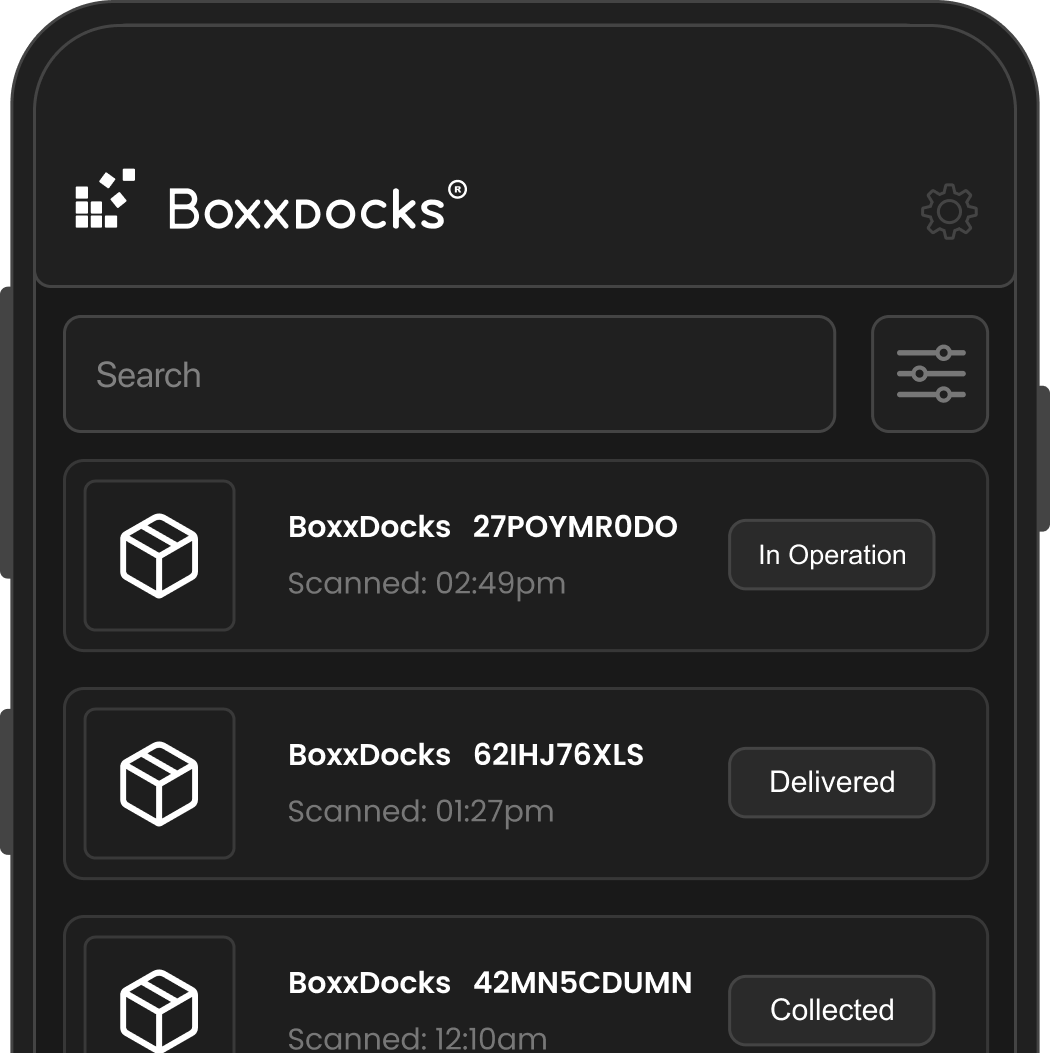
BoxxDocks AI Asset Tracking Platform
The Challenge
Asset tracking was manual, error-prone, and scattered across disconnected systems. The client had no centralized visibility into asset movement, no real-time location data, and no way to generate instant reports across multiple enterprise clients from a single platform.
Our Approach
We built BoxxDocks as an AI-enabled asset lifecycle platform using QR/NFC scanning, real-time dashboards, geolocation tracking, and a RAG-powered conversational engine that lets users query live operational data in plain English instead of navigating dashboards.
The Result
- Real-time inventory tracking across warehouses, transit, and delivery
- AI query engine for natural language insights
- LLM-powered reporting with anomaly detection
- Complete audit trail with location, timestamp, and status
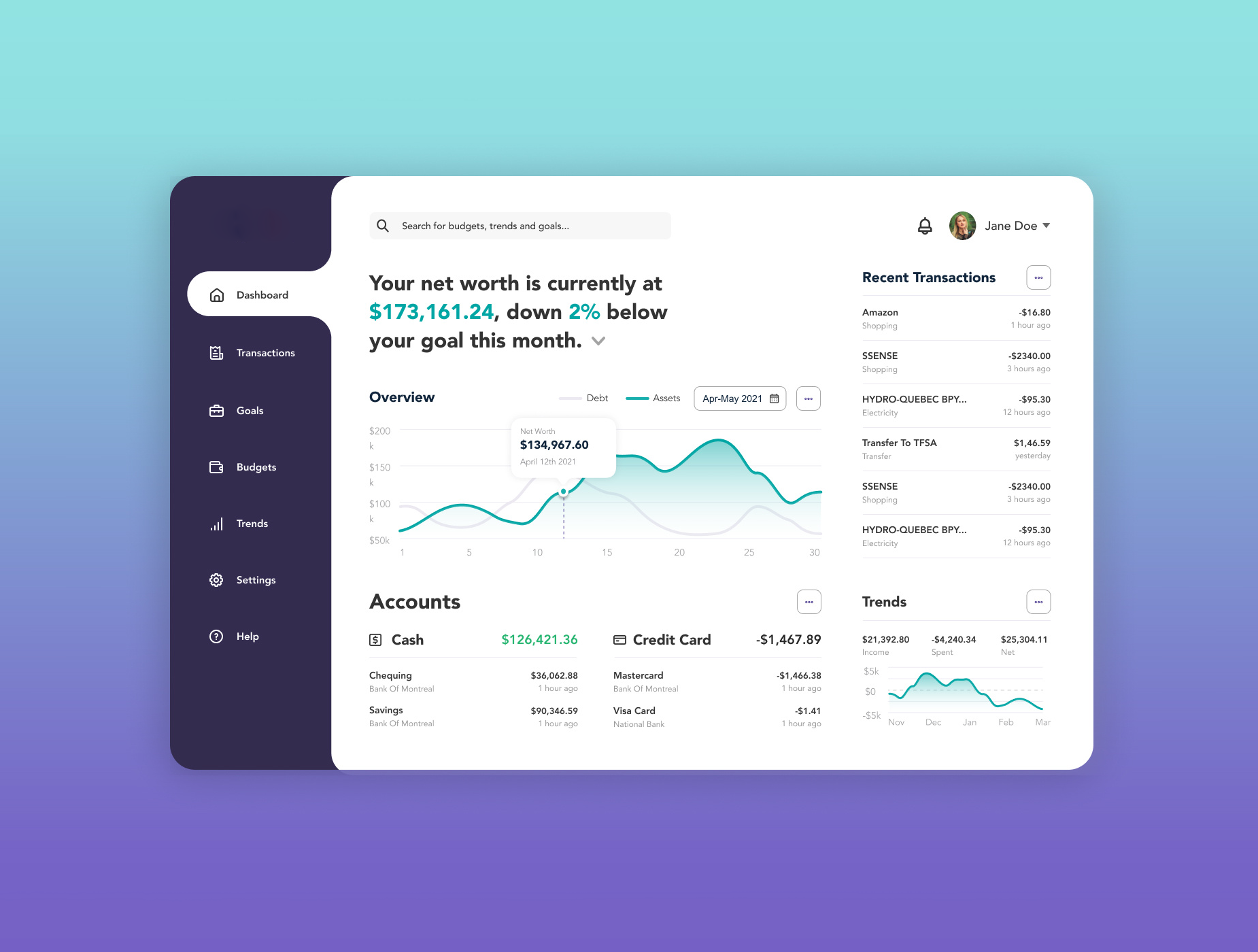
Parity AI AI Finance Platform
The Challenge
Personalized financial advice was expensive and limited to periodic meetings. Users had no way to consolidate banking, investments, debt, and insurance into one platform with real-time, AI-driven guidance.
Our Approach
We built Parity AI as an always-on financial wellness platform powered by AI. It securely pulls data from multiple sources, analyzes user behavior, forecasts outcomes, and delivers personalized recommendations — acting as a digital financial advisor, not a budgeting app.
The Result
- AI-powered financial planning across banking, investments, and debt
- Personalized recommendations based on life events and behavior
- Integrated financial education with actionable insights
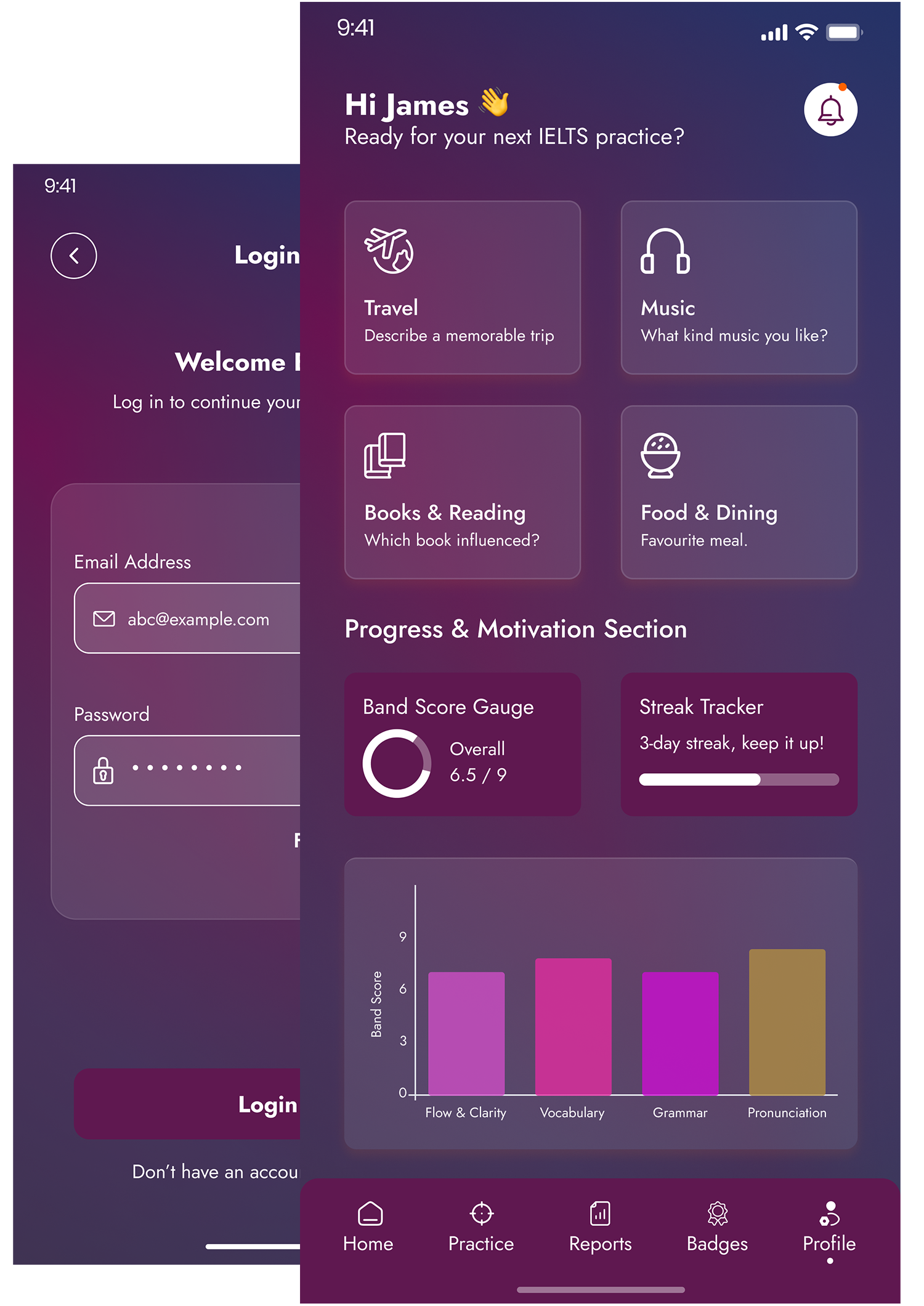
IELTS AI-Powered Speaking Evaluator
The Challenge
Human IELTS tutors cost $30-$80/hour with limited availability. Generic speaking apps lack authentic Part 1/2/3 exam structure, pronunciation feedback, and band-aligned scoring rubrics. Learners had no way to get unlimited, exam-authentic practice at scale.
Our Approach
We built a full-stack AI platform with a lifelike AI Avatar Examiner using LangGraph + Gemini conversation engine, Google Cloud TTS with viseme lip-sync, Faster-Whisper ASR, and a 6-layer IELTS evaluation pipeline scoring all 4 criteria with ±0.5-1.0 band accuracy.
The Result
- 1,000+ concurrent users with 2–3s response latency
- 10x lower cost than human examiners
- 6-service AI microservice with model preloading
- No-code admin panel for rapid content updates
Health E Livin AI Wellness Platform
The Challenge
People struggling with mental health had no single platform to access trusted information, take confidential assessments, and find providers — all without stigma or privacy concerns.
Our Approach
We built HealtheLivin as an AI-powered mental wellness app with a conversational AI assistant, anonymous screenings, evidence-based resource library, and geolocation-based provider discovery — all on privacy-first cloud infrastructure.
The Result
- AI knowledgebase for natural language mental health support
- Confidential assessments with personalized wellness insights
- Location-based provider discovery for professional care
- Privacy-first architecture with encrypted data management
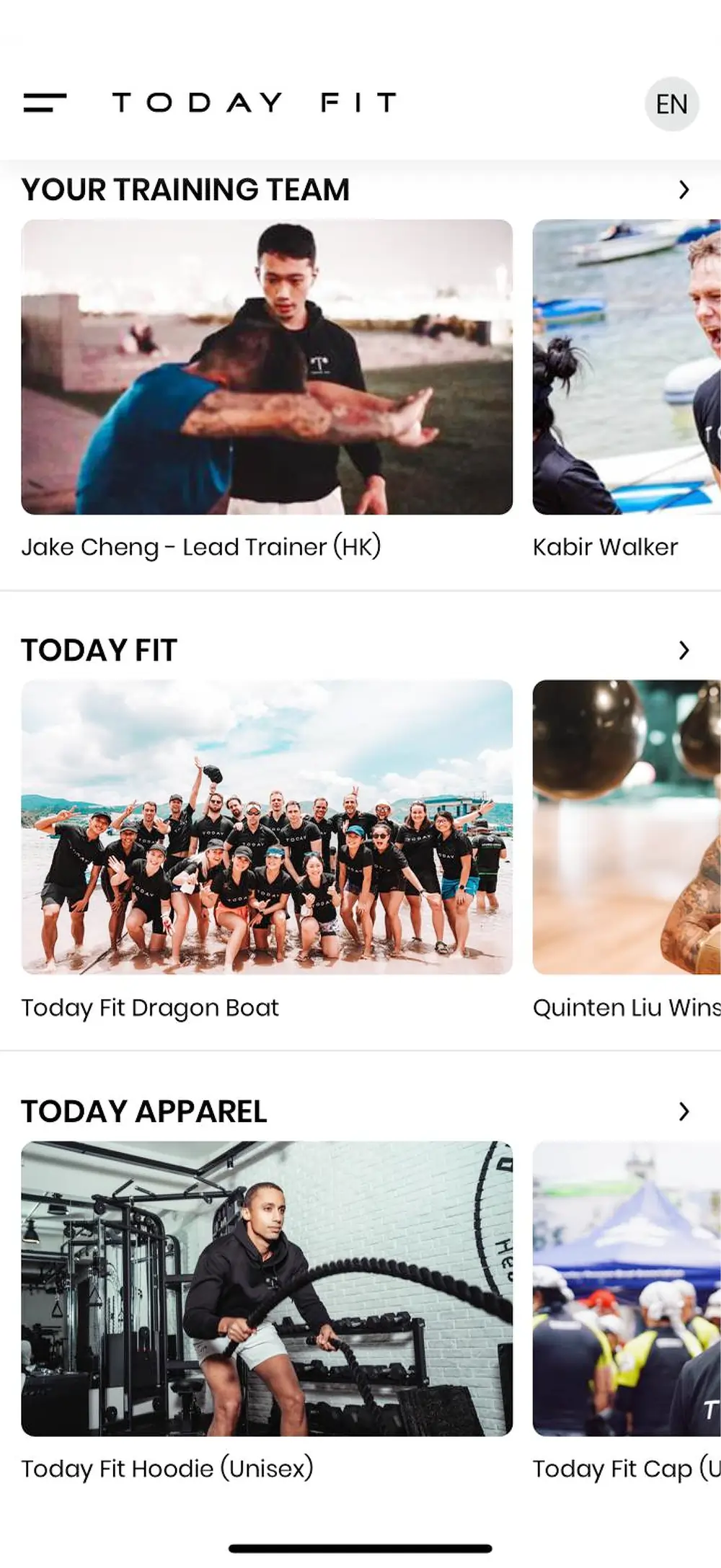
Today Fit Fitness App
The Challenge
Gyms, trainers, and users were stuck with disconnected tools for scheduling, payments, and fitness tracking. There was no single platform that combined personalized fitness with business management.
Our Approach
We developed TodayFit as an AI-driven fitness platform with trainer booking, personalized tracking, community features, and a SaaS layer for gym and trainer business management.
The Result
- 30% increase in user engagement
- 4.7+ average rating on the App Store and Play Store
- 60% growth in trainer bookings
- 45% increase in subscription conversions

SmartVend AI Smart Vending Platform
The Challenge
Managing a distributed vending machine network meant manual inventory tracking, disconnected payment systems, no remote management capability, and zero real-time visibility into machine health or sales performance across locations.
Our Approach
We built SmartVend as a cloud-connected IoT platform combining an Android kiosk app, centralized web portal, real-time inventory sync, hardware integration for payments and dispensing, and a digital advertising layer — all managed from a single dashboard.
The Result
- Real-time inventory sync with low-stock alerts
- Remote machine management across unlimited locations
- IoT integration for payments, dispensing, and monitoring
- Centralized sales analytics and revenue reporting
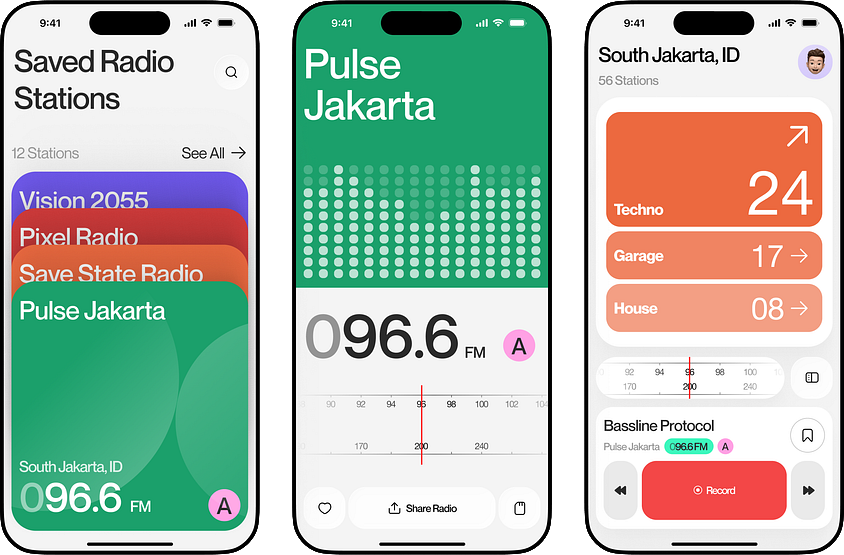
RadioFX Digital Radio Platform
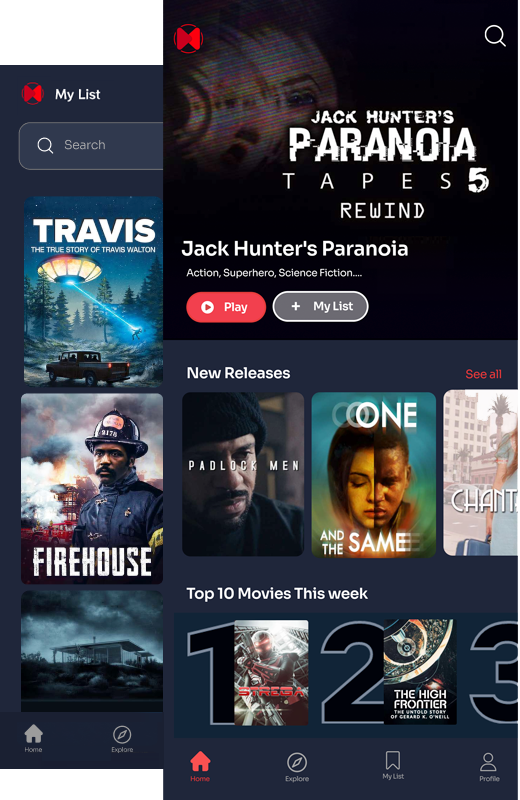
The Challenge
Broadcasters were managing streaming, content, ads, and audience engagement through fragmented systems with no centralized analytics, inconsistent cross-platform experience, and manual station administration processes.
Our Approach
We built RadioFX as a unified digital broadcasting platform — live streaming, station management, ad campaigns, audience engagement, and analytics — all from one dashboard, delivered across web, iOS, and Android on scalable cloud infrastructure.
The Result
- Live audio streaming across web, iOS, and Android
- Centralized dashboard for stations, ads, and scheduling
- Built-in advertising management with campaign tracking
- Real-time listener analytics and streaming insights
StudyBuddy Student Collaboration Hub
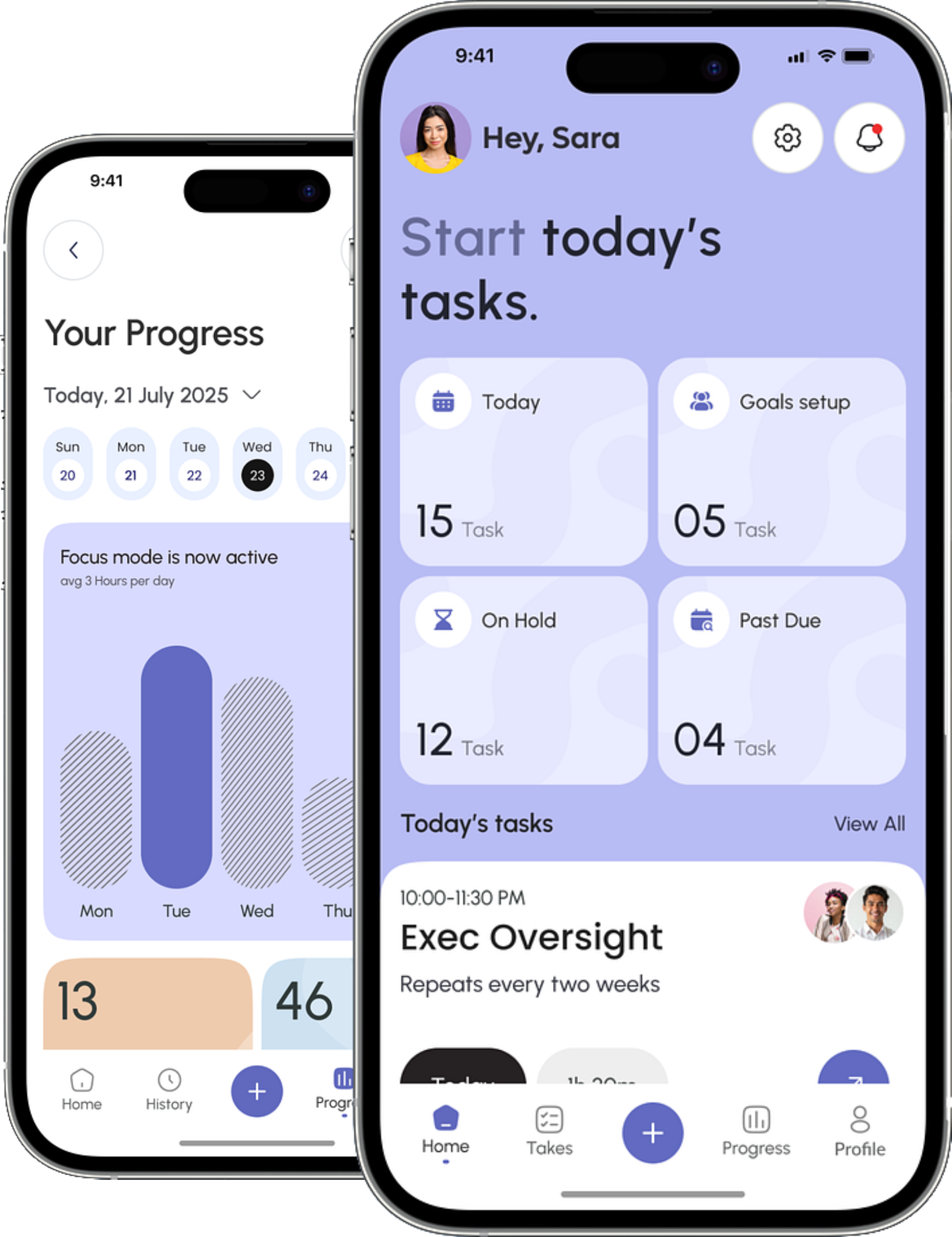
The Challenge
Students juggled multiple disconnected platforms for tutoring, discussions, and university engagement. Universities had no centralized system for student collaboration, tutor verification, or campus community management.
Our Approach
We built StudyBuddy as a university-exclusive collaboration platform with private campus communities, a tutor marketplace with verified profiles, real-time messaging, event management, Stripe-powered payments, and a centralized admin dashboard for multi-university operations.
The Result
- Verified student-only university communities
- Tutor marketplace with booking and secure payments
- Real-time messaging and document sharing
- Multi-university admin dashboard with moderation
GoSupps Custom eCommerce Solution
The Challenge
Selling fitness supplements across 20+ countries required handling multiple currencies, shipping rules, and tax laws from a single platform — while supporting 25,000+ daily customers and keeping mobile apps fully synced with the core e-commerce system.
Our Approach
We built three connected platforms — iOS app, Android app, and Magento e-commerce website — hosted on AWS with database indexing and caching, integrated with ODOO, Stripe, PayPal, UPS, and regional shipping providers, all supporting 20+ countries with auto-adjusted currency, tax, and shipping.
The Result
- 25,000+ users registered in the first month
- Multi-country e-commerce across 20+ countries
- Native iOS and Android apps with Magento integration
- AWS infrastructure built for high-traffic scalability

Gushcloud Influencer Platform
The Challenge
Brands had no structured way to connect promotional campaigns with real social media activity. There was no system to track rewards, target the right users, or measure campaign results — and manual processes slowed every new launch.
Our Approach
We built a social rewards platform with Facebook and Twitter API integration, allowing users to earn cash and charity rewards for completing brand activities like likes, retweets, and blog posts. A targeted search engine matches brands with users based on location, reach, and profile data.
The Result
- 50,000+ users registered within 3 months
- Social login with Facebook and Twitter
- Location and profile-based user matching
- Real-time campaign and user analytics
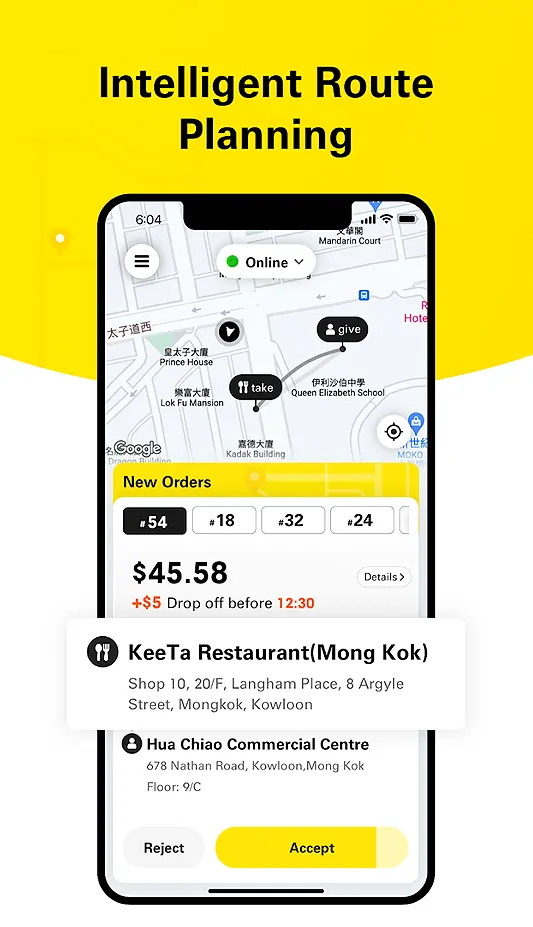
Keeta Food Delivery App
The Challenge
Building a food delivery app for international markets required multilingual support, real-time order tracking, lightning-fast performance across Android and iOS, flexible payment gateways, and scalable architecture to handle rapid multi-country expansion.
Our Approach
We built Keeta using React Native with Node.js and MongoDB backend, Firebase real-time tracking, advanced restaurant filtering, dynamic deal banners, multilingual support, and a smart delivery engine — all deployed through agile sprints for rapid global rollout.
The Result
- 100,000+ Google Play downloads in the first quarter
- 45% increase in daily active users
- 25% faster order processing
- 30% growth in restaurant partnerships
TADA Taxi Booking App
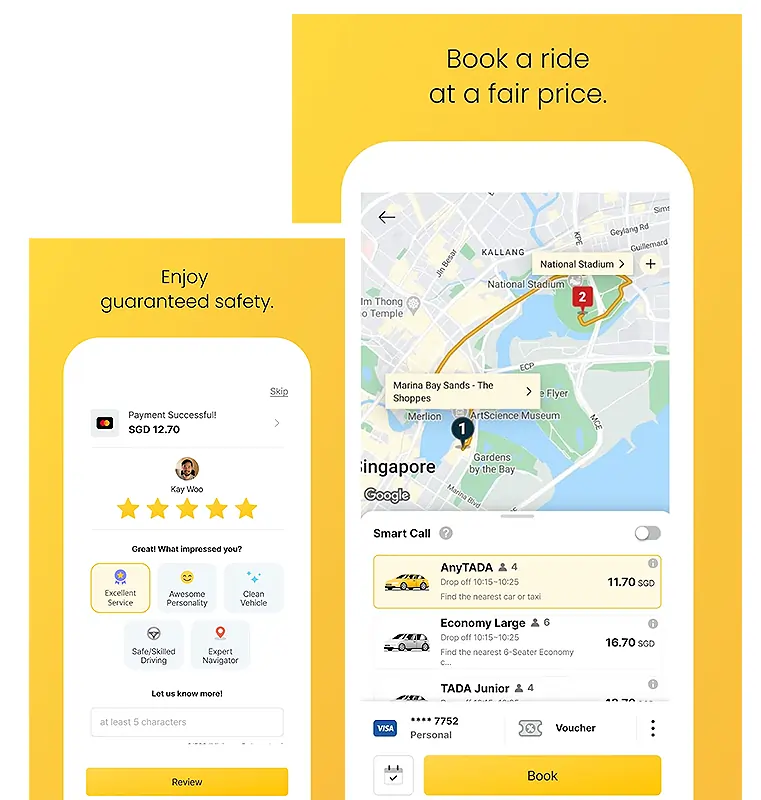
The Challenge
Unbalanced ride distribution, delayed driver matching during peak hours, no taxi option, limited suburban coverage, and backend scalability issues were driving high user drop-off and low booking volumes.
Our Approach
We built a multi-modal ride-hailing platform using Flutter and Node.js/MongoDB with a Smart Call feature using predictive analytics, real-time tracking via Google Maps API, taxi/EV/SUV modules localized per region, a dedicated driver portal, and dynamic load balancing for peak-hour scalability.
The Result
- 10x user growth in Singapore within 12 months
- 35% faster ride matching during peak hours
- 50% more successful matches with Smart Call
- 40% of ride requests from suburban areas
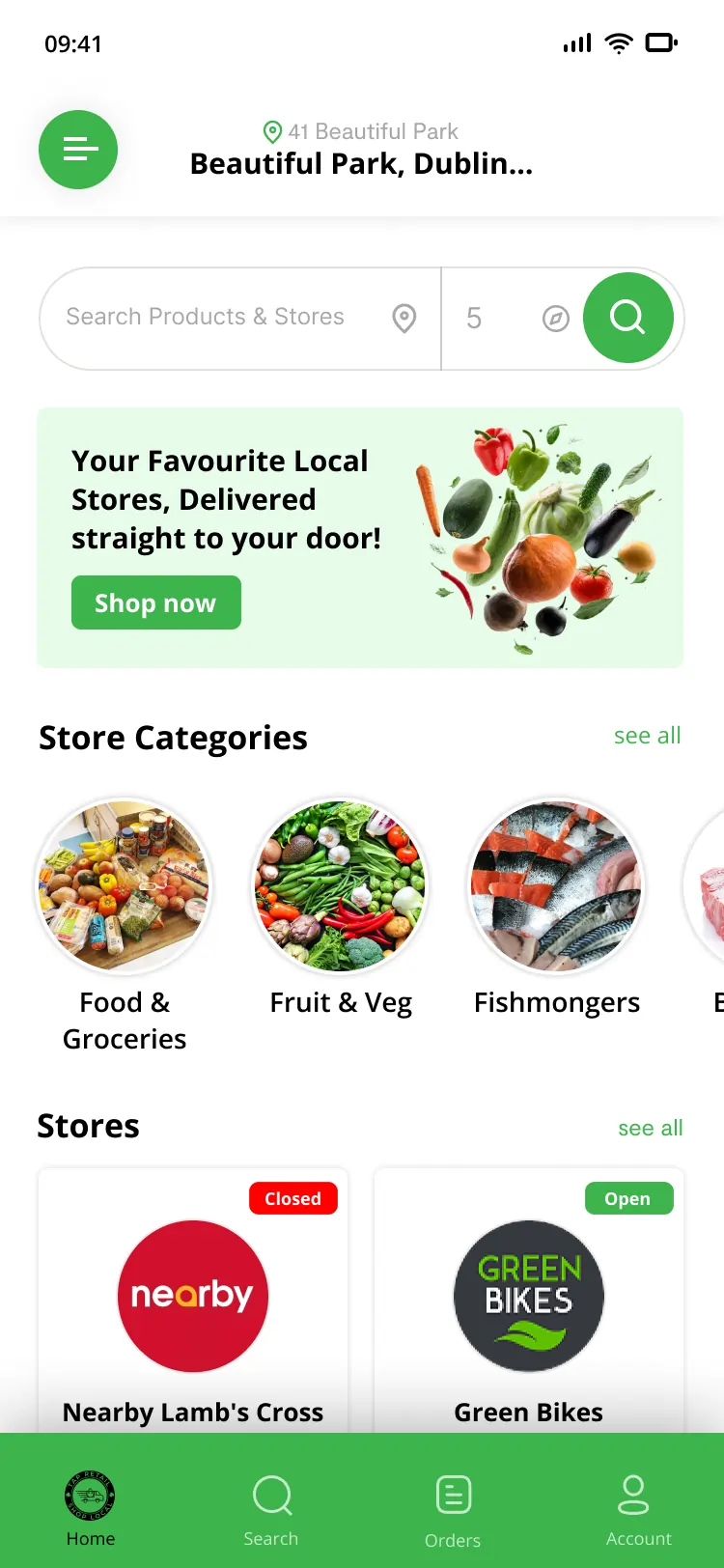
Tap Retail Retail Management
The Challenge
Managing 100+ product categories across fashion, food, and electronics through disconnected systems was causing SKU errors, missed promotions, poor product discovery, and inconsistent experience across mobile and web.
Our Approach
We built a scalable cloud-based retail management platform with modular multi-category inventory, smart search filters, dynamic pricing and promotions, related product recommendations, bulk upload tools, and real-time sync across all touchpoints from a single admin panel.
The Result
- 10,000+ products onboarded in the first 30 days
- 70% reduction in manual operations and SKU errors
- 25% increase in conversions with smart recommendations
- 3x faster inventory sync across departments
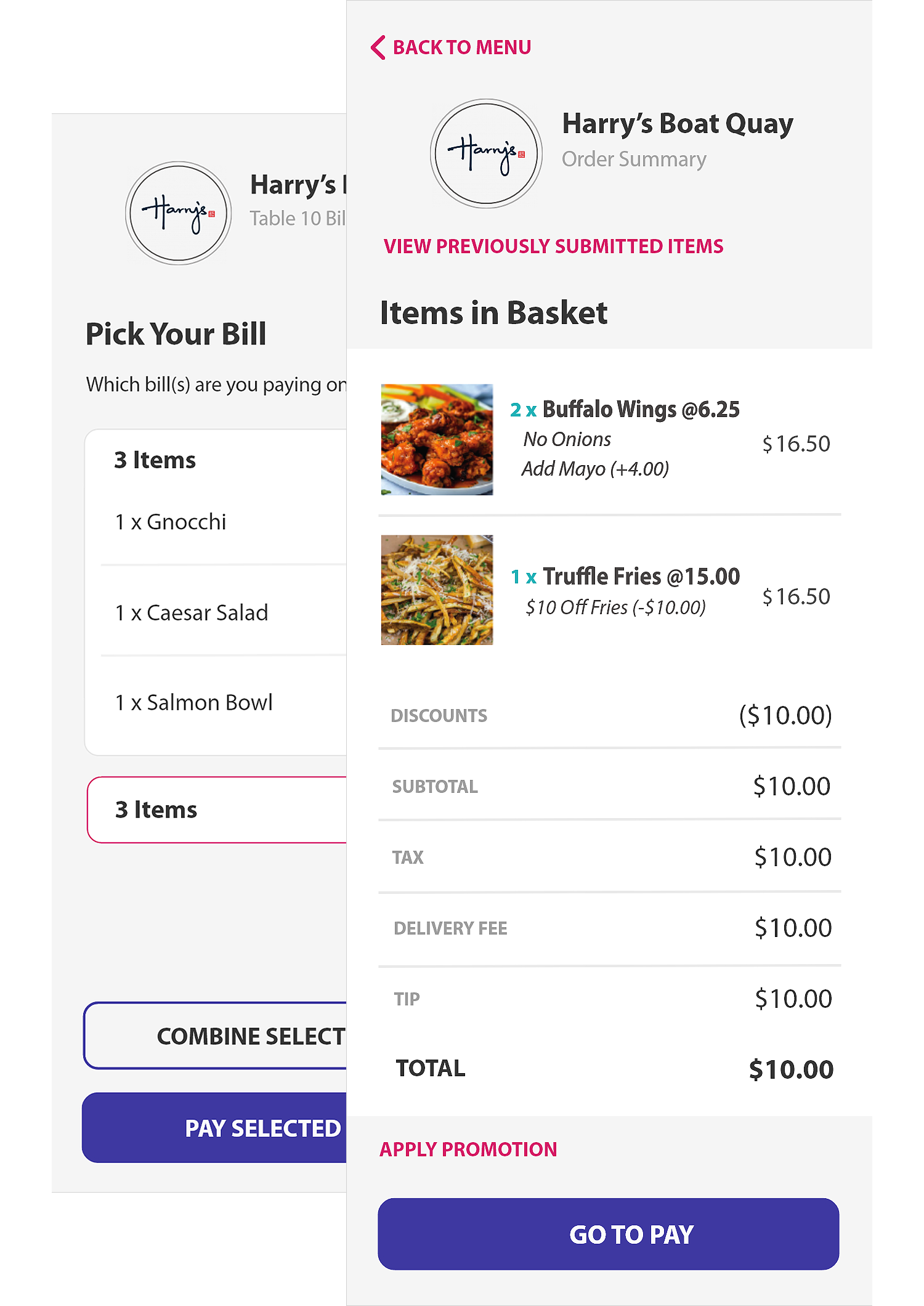
GoGmGo POS and CRM
The Challenge
The client operated hundreds of F&B outlets using fragmented legacy systems across POS, HR, finance, and analytics - with no centralized dashboard, frequent reconciliation errors, and POS failures during network outages.
Our Approach
We built a cloud-based ERP ecosystem with offline-capable POS, AI-powered financial reconciliation, FIFO inventory tracking, multi-entity ring-fenced reporting, a self-service HR mobile app (GoHRGo), and a review aggregator - all on a microservices architecture designed for multi-brand scalability.
The Result
- 70% reduction in payroll processing time
- 99.9% POS uptime with offline capabilities
- 65% improvement in inventory accuracy
- 95% automated reconciliation accuracy
- Scaled operations across 300+ outlets under a unified system
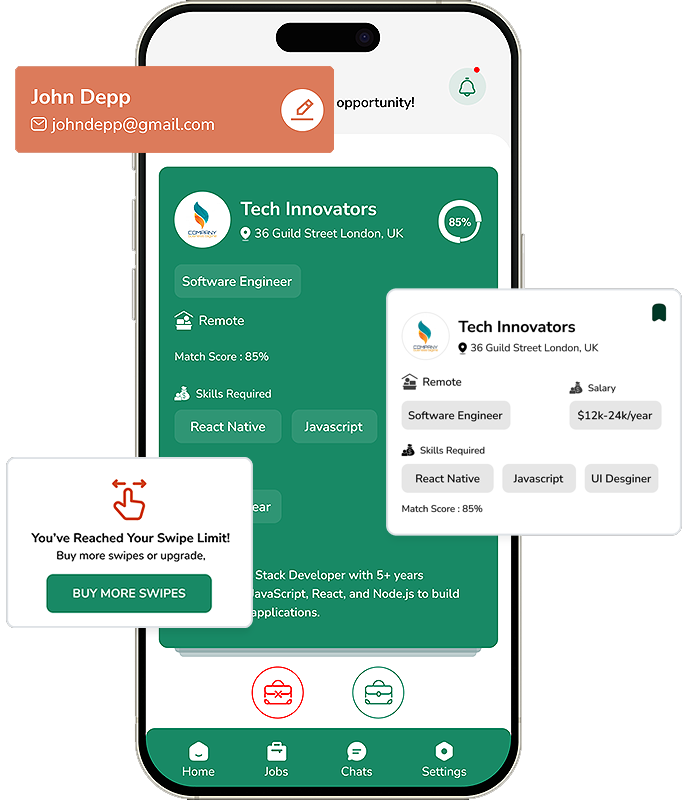
JobMinglr Recruitment App
The Challenge
Existing job platforms delivered irrelevant matches, had clunky filtering, and lacked real-time tracking, resulting in poor engagement, longer hiring cycles, and high candidate rejection rates.
Our Approach
We developed a job-matching app powered by machine learning that delivers personalized recommendations to seekers and tailored candidate profiles to employers — with resume uploads, skill-based filtering, real-time application tracking, and push notifications built into a scalable, intuitive interface.
The Result
- 45% improvement in job matching accuracy
- 35% reduction in time-to-hire for employers
- 40% increase in job seeker engagement
- 30% user base growth within the first quarter of launch
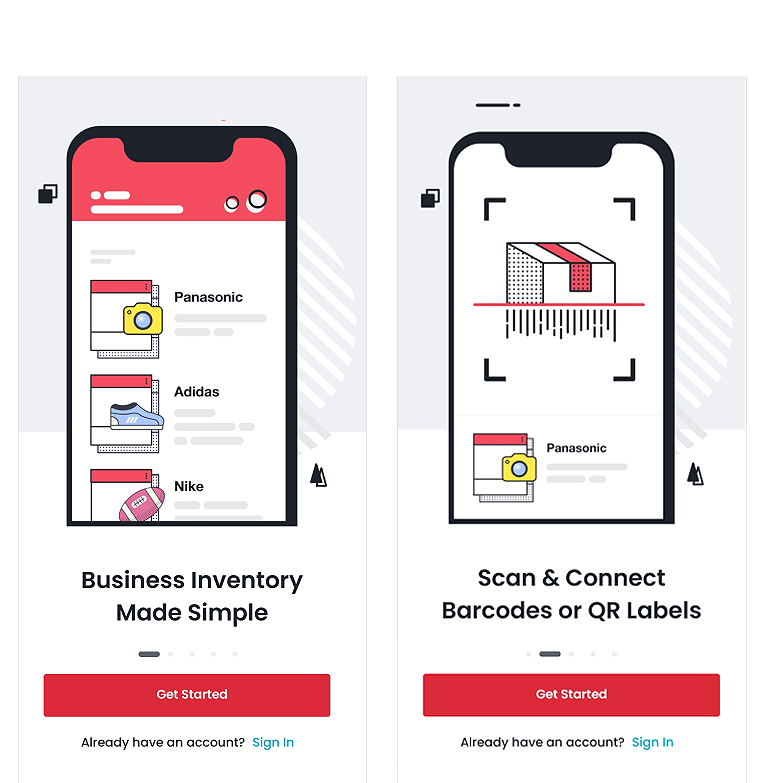
DENVEN Dental Management System
The Challenge
Dental practices relied on manual, error-prone inventory systems with no centralized tracking, no expiry alerts, no implant traceability, and zero real-time reporting - spread across multiple locations with non-technical staff.
Our Approach
We built a cloud-native dental inventory platform with real-time stock tracking, barcode/QR scanning, automated low-stock and expiry alerts, supplier catalog integration, an implant-to-patient tracking module with downloadable implant passports, and role-based access across locations, developed iteratively using Agile methodologies.
The Result
- 250+ practices adopted within 12 months
- 40% reduction in inventory wastage
- 99.5% reorder accuracy
- 80% improvement in implant traceability
- 92% user satisfaction score
Moviez Movie Streaming App
The Challenge
The client needed a global OTT streaming platform but lacked the scalable infrastructure for HD delivery across regions, secure multi-gateway payments, cross-device performance, multilingual content management, and DRM-compliant offline downloads.
Our Approach
We built a cross-platform streaming app using Flutter with a Node.js and MongoDB backend, integrated Stripe and Apple In-App Purchases, implemented Firebase for real-time analytics and authentication, added AI-based content recommendations, and developed a multilingual tagging system — all optimized for mobile and smart TV.
The Result
- 300K+ downloads within 180 days of launch
- 4.7-star average rating across app stores
- 60% user retention after one month
- Live in 120+ countries with multilingual access
- 40% subscription boost after AI recommendation integration
What makes Xicom a reliable partner for your next digital initiative
Every AI engagement at Xicom is backed by structured processes, strict data security, and flexible models designed to give you full control over your project from kickoff to deployment.

Team control
Direct access to your team for discussions anytime.

Data security
Strict adherence to data protection and confidentiality.
Flexible hiring
Hourly, part-time, or full-time models.

Strict NDA
Your business data stays fully protected.

24/7 support
Dedicated teams monitor performance round the clock.

Quality delivery
97% first-time-right code submission, every sprint.

Agile process
Faster, predictable delivery via iterative sprints.

Transparency
Real-time updates and full project visibility.





Bring your next big idea to life with digital solutions built around your business goals
Whether you are modernizing existing systems or building something entirely new, we combine strategic insight, engineering expertise, and industry understanding to create solutions aligned with your goals, workflows, customers, and long-term growth.
Our range of frameworks and cutting-edge technology expertise
Our technology stack brings together modern frameworks, platforms, programming languages, databases, cloud technologies, and development tools. We select technologies based on solution requirements, ensuring the right foundation for scalable, secure, high-performing, and future-ready digital products.
 Python
 TypeScript
 JavaScript
 Java
Java .NET
.NET PHP
PHP Go
Go Rust
Rust React.js
 Next.js
 Angular
 Vue.js
 HTML5 / CSS3
 Tailwind CSS
 shadcn/ui
 Figma / UI-UX
 Node.js
 FastAPI
 Bun
Bun Express.js
 Laravel (PHP)
 GraphQL
 REST APIs
 iOS (Swift)
 Android (Kotlin)
 Flutter
 SwiftUI
 Objective-C
 UIKit
UIKit Kotlin Multiplatform
 .NET MAUI
 Ionic
Ionic PyTorch
 TensorFlow
 Hugging Face
 Scikit-learn
 Keras
Keras JAX
JAX vLLM
vLLM spaCyHugging Face TransformersScikit-learn
 NLTK
NLTK Claude
 GPT-5.6
 Gemini
 Llama
Llama Mistral
 DeepSeek
 Midjourney
 LangGraph
 CrewAI
 AutoGen
 PydanticAIOpenAI Agents SDK
 MCP (Model Context Protocol)
 LangChain
 LlamaIndex
 Pinecone
 Qdrant
 Weaviate
 pgvector
 AWS
AWS Google Cloud
 Firebase
 Supabase
 MongoDB
 MySQL
MySQL Redis
Redis Kubernetes
 AWS (Bedrock)
 Azure AI Foundry
 Vertex AI
 Databricks
 Snowflake Cortex AI
 Terraform
 Ansible
 GitHub Actions
 Jenkins
 GitLab CI/CD
 ArgoCD
 Fastlane (mobile)
 Bitrise (mobile)
 Apache Kafka
 Apache Spark Streaming
 Flink
Flink dbt
dbt Power BI
 RabbitMQ
 Apache Iceberg
 Jest
Jest Playwright
 Cypress
 Detox (mobile)
 Appium (mobile)
 Postman
 Test Rail
 n8n
n8n Power Automate
 UiPath
 Make (Integromat)
 Copilot Studio
 Credo AI
 Fiddler AI
 watsonx.governance
 Azure Responsible AIModel Cards Toolkit
 MS Dynamics 365
 Salesforce
 Adobe Commerce
 SharePoint
 Service Now
 Power BI
 SAP
SAPExplore AI across Industries
Businesses today are already using AI to cut costs, speed up decisions, and solve problems that used to take weeks. See how it's playing out across industries and what's actually working right now.


Compliance and security embedded across every digital solution
We embed compliance and security throughout the development lifecycle, aligning solutions with applicable standards, regulatory requirements, data protection principles, and enterprise policies. This approach helps protect sensitive information and maintain compliance as digital solutions evolve.
Data Privacy & Protection

GDPR

HIPAA

CCPA
Security & Risk Management

ISO/IEC 27001

PCI DSS
AI Compliance

EU AI Act
ISO/IEC 42001
Cloud Compliance

SOC 2

ISO/IEC 27017
Industry-Specific Compliance
HIPAA (Healthcare)
PCI DSS (Fintech)
Quality & Process

ISO 9001

CMMi Level 3
Client testimonials and reviews showcasing the value we consistently deliver
Explore how our clients describe their journey with us, reflecting strong collaboration, effective execution, and consistent outcomes delivered across engagements. See how our delivery framework ensures consistency from initiation through to successful completion.
❝
Parity AI
We came to Xicom with an ambitious goal: make institutional-grade financial planning accessible to everyone through AI. Xicom went beyond the brief, blending conversational AI and predictive analytics into an effortless platform. Parity AI is exactly what we envisioned.

❝
RadioFX
Xicom took the time to understand what our stations and listeners actually need, building something tailored rather than generic. Live chat and polls are now core to how we connect with our audience — the app has become a true extension of our on-air presence.


❝
StudyBuddy
Xicom built exactly what our students needed: a secure space to connect, collaborate, and find tutoring support in one place. Their understanding of student behavior shows in how naturally everything fits together — StudyBuddy is something students genuinely rely on.

❝
BoxxDocks
Xicom helped us bring BoxxDocks to life exactly as we envisioned it. Their team understood the complexity of AI powered real-time asset tracking and delivered a platform that's both powerful and genuinely easy to use.


❝
TodayFit
We are very happy with their services. I cannot recommend them highly enough. The value, ability, and delivery that we have seen has been superb, and we look forward to continuing this relationship.


❝
SmartVend AI
Their team built SmartVend from the ground up, combining hardware integration, real-time inventory sync, and a centralized dashboard that completely changed how we operate. We couldn't have asked for a more capable technical partner.

❝
Tap Retail
Partnering with Xicom to develop our Tap Retail app and website was one of the best decisions we made. Their team demonstrated exceptional professionalism, technical expertise, and a deep understanding of our business goals.


❝
GoGmGo
Partnering with Xicom was a game-changer for us. They didn't just build software, they helped us redefine how we run our business. Their proactive support and deep domain knowledge gave us the confidence to innovate faster.

❝
DENVEN
Working with Xicom has been a transformative experience. Their team quickly understood our challenges and delivered a scalable, intuitive solution. I highly recommend Xicom to any organization seeking future-ready, high-performance digital products.

Top tech insights of our blog
Explore latest tech stories & News
✦ AI-First Company
Deep Insights into Emerging Technology and Innovation!
Stay ahead in the digital world with our latest insights covering AI trends, industry developments, and expert advice on building smarter businesses.
1800+
Projects
20+
Years Experience
Frequently Asked Questions
What makes Xicom an AI-first digital engineering company?
Xicom is an AI-first digital engineering company that embeds artificial intelligence, automation, and data-driven intelligence into every stage of software development, from architecture to deployment. With 20+ years of experience and 1,800+ projects delivered, Xicom designs systems where AI is a core architectural decision, not an add-on feature applied after the product is built.
Where is Xicom headquartered, and where do you operate from?
Xicom's development headquarters is in New Delhi, India, with a US office in San Francisco, California, supporting clients across North America. Founded in 2002, Xicom has delivered projects for 750+ clients across 50+ countries from these two locations.
How large is Xicom's team, and what expertise do they cover?
Xicom has a team of 350+ engineers, designers, and consultants. Most projects bring together a mix of skills, such as data, cloud, and application development, so each team is put together around what your project actually needs. You work with people who have handled similar technology and industry challenges before, not a generalist pool.
What industries and types of clients does Xicom work with?
Xicom works with clients ranging from funded startups to large enterprises across banking and finance, healthcare, retail and ecommerce, manufacturing, education, real estate, logistics, and media and entertainment. Each engagement is scoped to the regulatory and operational needs specific to that industry.
Can I see proof of Xicom's work, real projects and outcomes?
Yes. Xicom's case studies page documents real projects across industries, including an AI-powered IELTS speaking evaluator, a UK-based retail management platform, and an on-demand food delivery app, each with the technologies used and outcomes delivered.
What certifications and accreditations does Xicom hold?
Xicom is ISO 9001 certified, a premier partner of NASSCOM and STPI, and operates at CMMi Level 3 process maturity. These accreditations reflect standardized, audited quality and delivery practices maintained across every engagement since 2002.
Does Xicom help with AI governance and compliance?
Yes, Xicom offers dedicated AI governance consulting services, helping enterprises build the risk frameworks, compliance mapping, and oversight structures needed to deploy AI responsibly under regulations like the EU AI Act and standards like ISO/IEC 42001.
What engagement models does Xicom offer?
Xicom offers three engagement models: Fixed Price for well-scoped projects, Dedicated Team for ongoing enterprise partnerships, and Time & Material for evolving project needs. Each model includes milestone-based delivery and direct access to senior consultants.
Does Xicom start with strategy and consultation before development begins?
Yes. Every engagement begins with a discovery and consultation phase where Xicom's team assesses business goals, technical requirements, and available data before recommending an architecture, timeline, and engagement model, so no project moves into development without a validated plan.
How can I get started with Xicom?
Getting started with Xicom begins with a free consultation. Share your idea or challenge through our contact page, and our specialists will review your goals and timeline to recommend a practical roadmap. Every conversation is covered by an NDA from day one.
Every award marks a milestone in our journey of excellence
As an AI-first digital engineering company, Xicom has earned global recognition for delivering innovative, scalable, and high-performing technology solutions. Our awards reflect the trust of clients and industry leaders alike.